We have come across this article about What Do I Do If My AC Pipe Is Frozen down the page on the internet and think it made good sense to relate it with you over here.
Introduction
Discovering that your air conditioning pipeline is iced up can be worrying, specifically throughout warm summer months when you count on your air conditioner one of the most. Recognizing what to do in such a circumstance is vital to avoid further damages to your air conditioning system and ensure your comfort inside.
Comprehending the Causes
A number of factors can add to the freezing of an AC pipeline. Understanding these reasons can assist you address the problem effectively.
Absence of Airflow
One common source of a frozen air conditioner pipe is inadequate air movement. When the air movement over the evaporator coil is limited, it can create the coil to drop below freezing temperature, bring about ice formation on the pipe.
Reduced Refrigerant Levels
Inadequate refrigerant levels in your air conditioning system can likewise cause an icy pipeline. Reduced refrigerant levels can cause the pressure in the system to go down, bring about the cold of wetness on the evaporator coil.
Cold Weather Conditions
In colder climates, freezing temperature levels outside can contribute to the freezing of air conditioner pipelines. If your air conditioning unit is not effectively protected or if there are leaks in the ductwork, cool air can infiltrate the system, creating the pipe to ice up.
Dirty Air Filters
Filthy or stopped up air filters can limit air flow in your air conditioning system, leading to numerous concerns, consisting of a frozen pipeline. It's vital to change or clean your air filters regularly to make certain appropriate airflow and protect against ice accumulation.
Signs of a Frozen Air Conditioner Pipe
Recognizing the signs of an icy a/c pipe is crucial for punctual activity.
Minimized Airflow
If you discover a significant decrease in air movement from your vents, it might indicate an icy pipe.
Ice Buildup on the Pipe
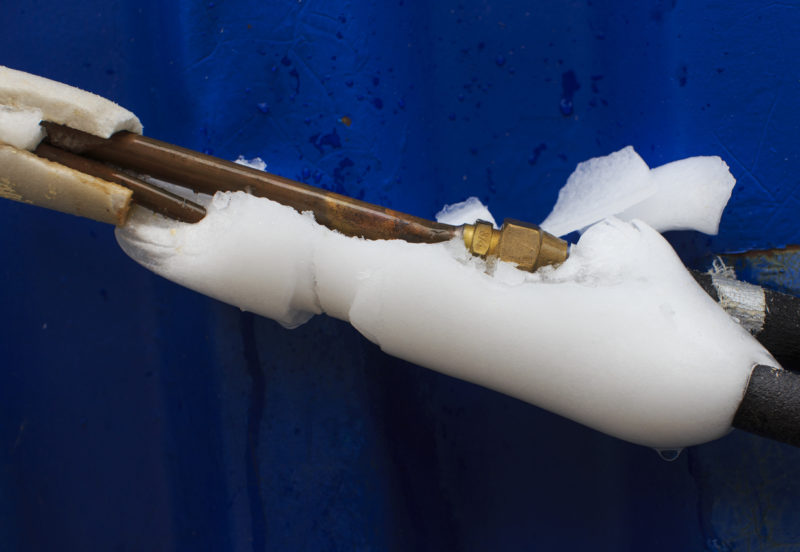
Visible ice build-up on the refrigerant line or the evaporator coil is a clear sign of a frozen AC pipe.
Strange Sounds from the Unit
Uncommon audios, such as hissing or bubbling, coming from your AC system can signify that there's ice present on the pipeline.
Immediate Actions to Take
When confronted with an icy AC pipeline, it's important to act swiftly to stop additional damage to your cooling system.
Turning off the a/c
The initial step is to switch off your ac unit to avoid the system from running and aggravating the problem.
Looking for Blockages
Check the location around the indoor device for any kind of blockages that may be blocking air movement, such as furnishings or curtains.
Defrosting the Pipe
You can utilize mild methods like placing towels soaked in warm water around the icy pipeline to aid thaw it gradually.
Preventive Measures
Taking preventive measures can help prevent future incidents of a frozen a/c pipeline.
When DIY Methods Fail
If your attempts to thaw the pipe or address various other issues are not successful, it's time to hire an expert.
Significance of Hiring a Professional HVAC Technician
A qualified HVAC technician has the experience and tools required to identify and fix issues with your air conditioning system securely and properly.
Normal Maintenance Checks
Set up routine maintenance get in touch with a specialist HVAC technician to ensure that your AC system is running efficiently.
Changing Air Filters
Routinely replace or clean your air filters to prevent air flow constraints and preserve optimum performance.
Shielding Exposed Pipes
If your air conditioner pipes are exposed to cold temperature levels, consider insulating them to prevent freezing during winter season.
Seeking Professional Help
If DIY techniques fall short to resolve the issue or if you're unsure about how to proceed, it's best to look for aid from a certified HVAC professional.
Final thought
Taking care of a frozen air conditioning pipe can be an aggravating experience, but recognizing exactly how to respond can aid lessen damages and restore convenience to your home. By comprehending the causes, identifying the indications, and taking prompt activity, you can efficiently resolve the problem and prevent future incidents.
Why Is My AC Pipe Frozen? Uncovering the Root Cause
Understanding the Science Behind AC Pipe Freezing
If your AC pipe is frozen, there are a few things that could be causing the problem. One possibility is that the temperature outside is too cold for the pipe to function properly. Another possibility is that there is a blockage in the pipe that is preventing the flow of refrigerant.
If you think that your AC pipe is frozen, you should call a professional to come and take a look at the problem.
If you notice that your AC pipe is frozen, it’s important to take action right away. A frozen AC pipe can lead to serious damage to your AC unit and your home.
Here are a few reasons why your AC pipe may be frozen:
The temperature outside is too cold. If it’s cold enough outside, the air can actually freeze the water in your AC unit. This can lead to a build-up of ice, which can then block the flow of air and cause your AC unit to overheat. 2. There’s a problem with your AC unit. If your AC unit isn’t working properly, it can cause the surrounding air to cool down too much. This can lead to the water in your unit freezing. 3. There’s a problem with your home’s insulation. If your home isn’t properly insulated, the cold air can seep in and cause the water in your AC unit to freeze. How do I stop my AC pipes from freezing?
First, check the insulation on your pipes. If it is old or damaged, it may be time to replace it.
You can also wrap the pipes in heating tape, which will help to keep the heat in and prevent the pipes from freezing.
Finally, make sure that your AC unit is properly maintained and that the filters are clean. This will help to ensure that the unit is working properly and that the air flow is not restricted.
To prevent your AC pipes from freezing, there are several steps you can take.
<1.Check your air filter and replace it if it’s dirty. A dirty filter can restrict airflow and cause the evaporator coil to freeze. 2. Ensure that your thermostat is set to the correct temperature. Keeping your home too cold can cause the pipes to freeze. 3. Inspect your ductwork for any leaks or damage that could be causing the system to work harder than necessary. 4. Keep your home’s humidity levels in check. High humidity can cause the evaporator coil to freeze. 5. Consider installing a freeze sensor, which will shut down the system if it detects that the pipes are starting to freeze.
We hope you liked our topic about What Causes AC Pipes To Freeze?. Thanks a lot for spending some time to browse our piece of content. Sharing is nice. You just don't know, you may just be doing someone a favor. Thank you so much for going through it.
Source This Article